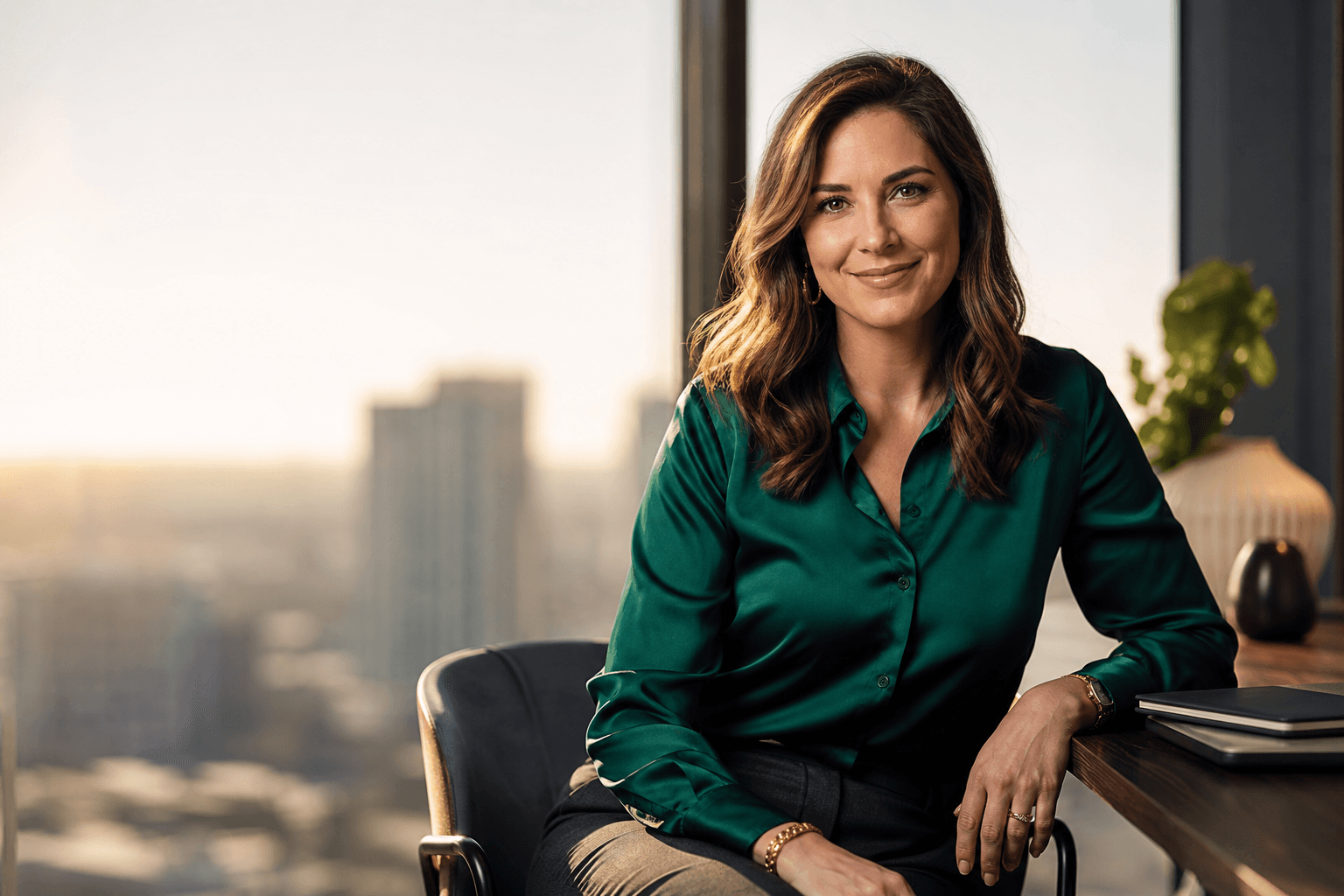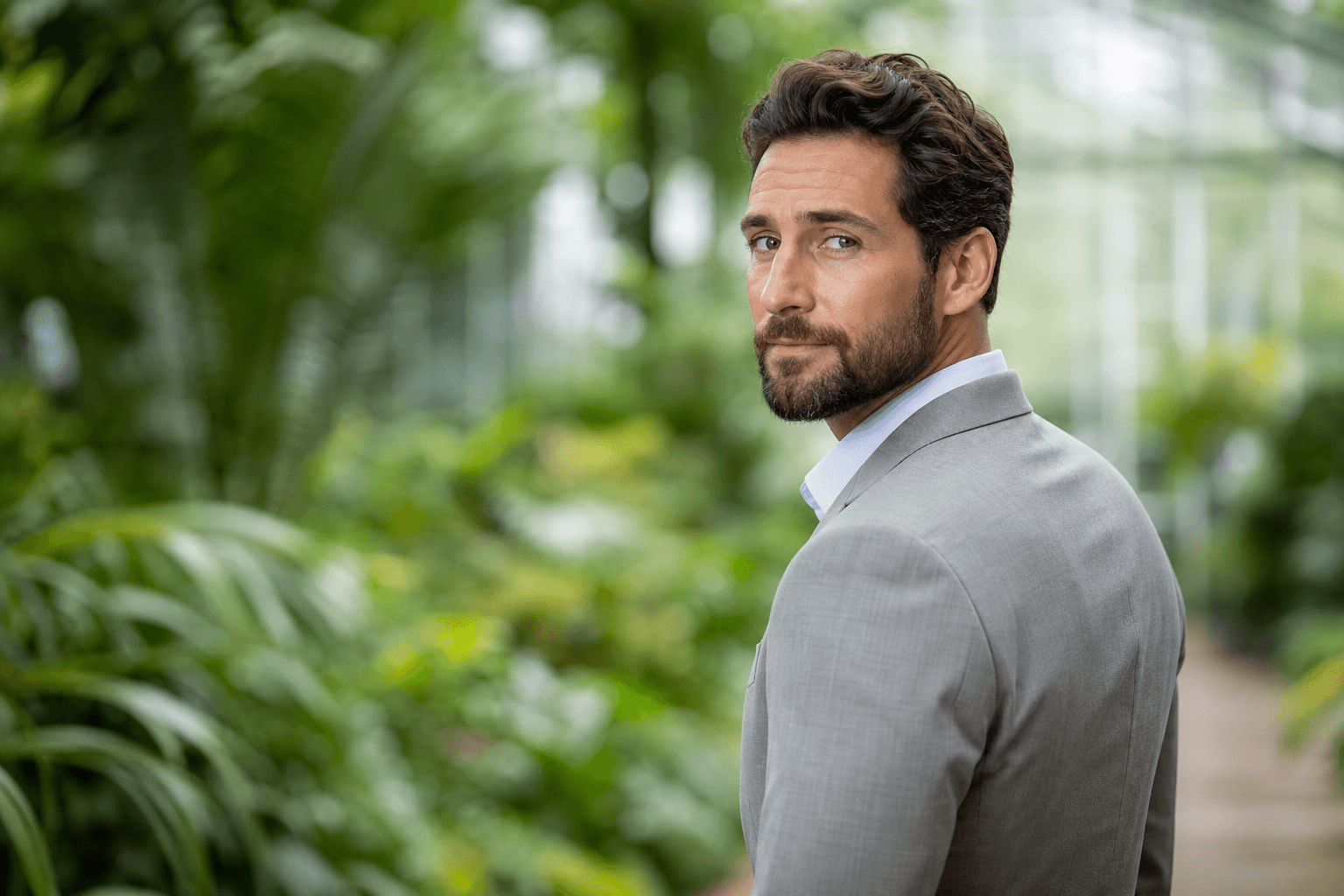
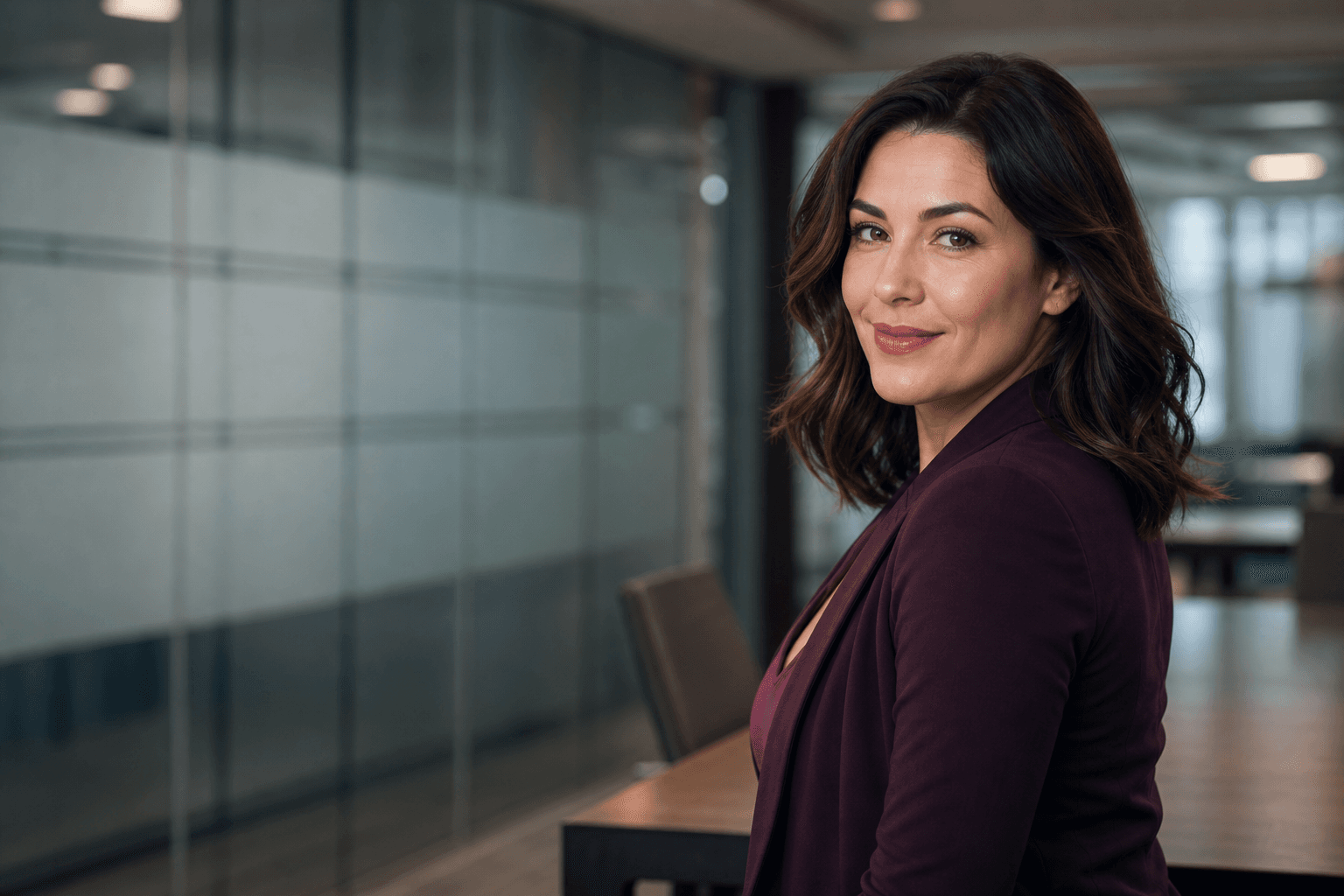
Choosing the best lens for headshots is partly a gear decision and partly a style decision. A flattering headshot depends on focal length, working distance, background separation, sharpness, lighting, expression, and how the image will be used. The right lens helps, but it will not rescue poor posing or a distracting background.
This guide is written for photographers, business owners, and professionals comparing lenses for corporate headshots, LinkedIn headshots, actor portraits, and personal branding photos. It also helps non-photographers understand what makes a professional headshot look polished, whether they book a studio session or use AI headshots from QuickAI Headshots.
Best Lens for Headshots: The Short Answer
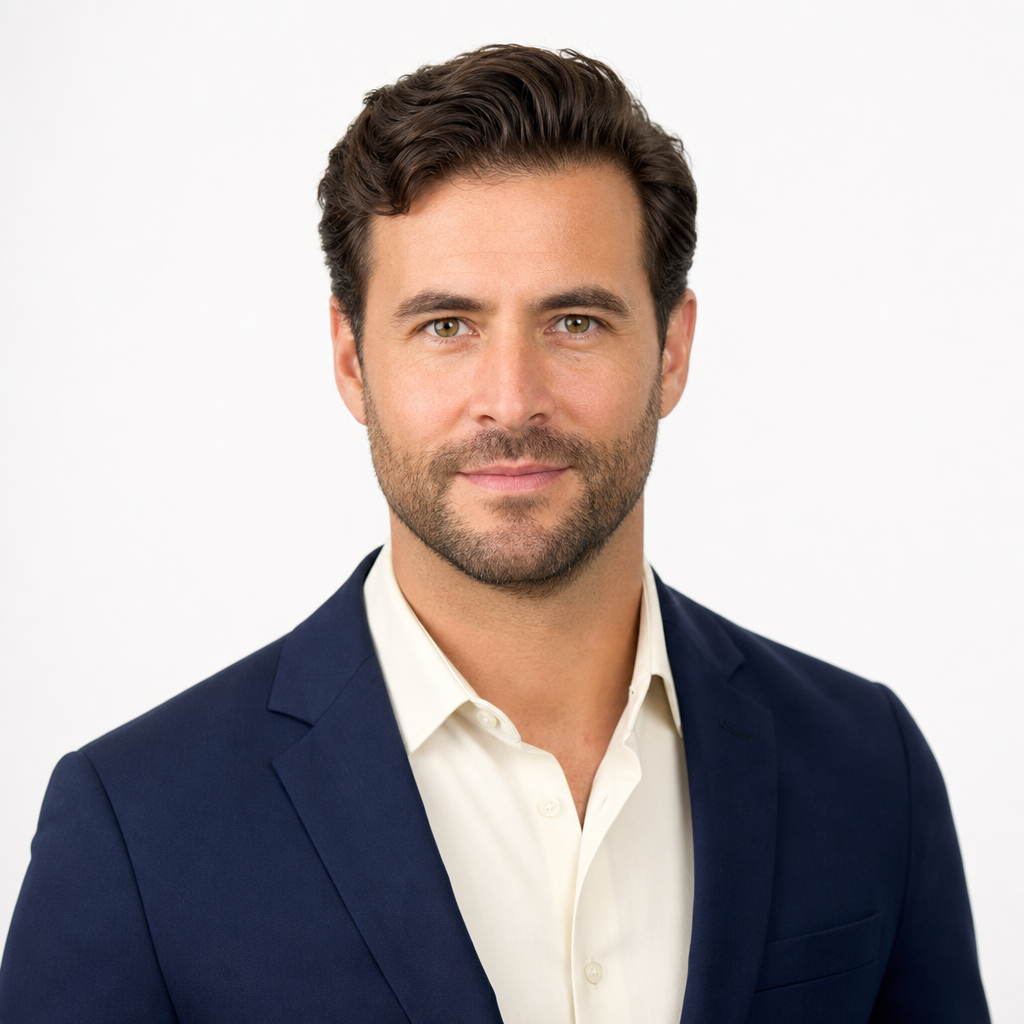
For most people, the best lens for headshots is an 85mm prime on a full-frame camera, or a roughly equivalent focal length on crop sensors. It gives pleasing facial compression, lets you stand at a comfortable distance, and can blur the background without making the face look distorted. A 70-200mm zoom is also excellent for studio and corporate work because it offers flexibility, especially when shooting multiple people quickly.
That said, There is no single lens that wins every situation. A 50mm can work beautifully for environmental portraits. A 135mm can create elegant compression and creamy backgrounds. A 35mm may be useful for wider branding portraits but is usually too wide for tight headshots unless used carefully. Your goal is not just sharpness; it is a believable, professional profile picture that matches the subject’s brand.
My Recommended Lenses For Headshots
If I were building a headshot kit from scratch, I would start with an 85mm prime, add a 70-200mm zoom if budget allows, and keep a 50mm for wider personal branding portraits. This gives you coverage for classic business headshots, corporate team sessions, website bios, and looser portraits that include more environment.
- 85mm prime: the safest first choice for flattering, clean headshots.
- 70-200mm zoom: ideal for fast-paced sessions, varied framing, and consistent compression.
- 50mm prime: useful for tighter spaces and relaxed online profile photo sessions.
- 135mm prime: beautiful for outdoor portraits and maximum subject separation.
For professionals who simply need a strong image for LinkedIn, resumes, websites, or business profiles, buying lenses may be unnecessary. A service like QuickAI Headshots can be a convenient alternative when you want professional-looking headshots without booking a traditional photoshoot.
B&H Photo: How to Compare Before You Buy
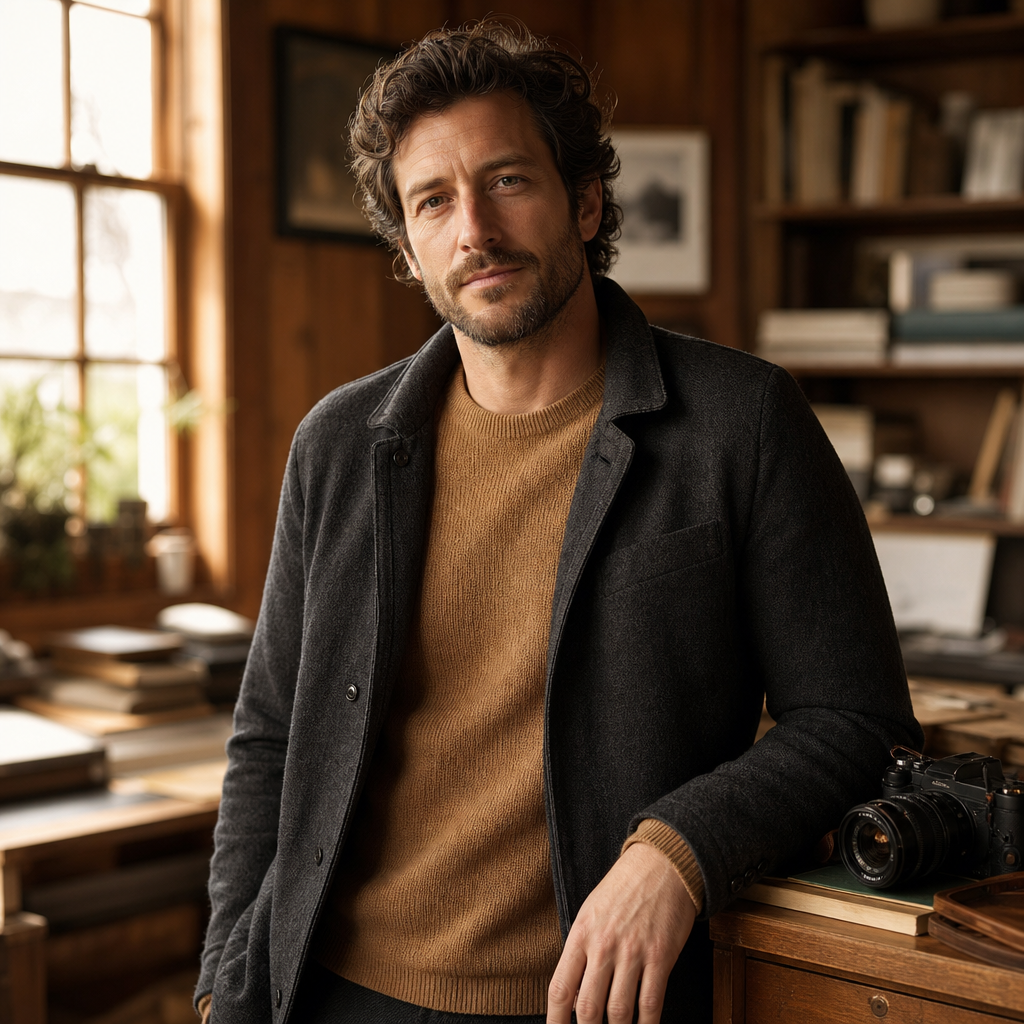
B&H Photo is often used by photographers as a reference point when comparing camera lenses, because listings make it easy to check focal length, aperture, mount, stabilization, weight, and user questions. Even if you buy elsewhere, looking at a detailed retailer page can help you avoid choosing a lens that does not fit your camera body or shooting style.
When comparing options, do not look only at maximum aperture. For headshots, autofocus reliability, minimum focusing distance, sharpness across the frame, and handling matter just as much. If you shoot corporate headshots on location, a lighter lens may be more valuable than a technically perfect but heavy optic. If you shoot in a controlled studio, consistency and tethered workflow may matter more than portability.
3. ZEISS Batis 1.8/85mm
The ZEISS Batis 1.8/85mm is a strong example of why 85mm lenses are so popular for headshot photography. It offers the classic portrait focal length with a bright aperture, which helps separate the subject from the background while keeping the face natural. For tight headshots, that combination can create a polished look without forcing you too far away from the subject.
Its appeal is not only blur. An 85mm lens encourages a comfortable working distance, which can help the person relax. That matters for business headshots because expression often makes the difference between a stiff photo and a confident one. If your goal is LinkedIn headshots or executive portraits, this type of lens gives you a versatile, professional foundation.
9. ZEISS Otus 1.4/85mm
The ZEISS Otus 1.4/85mm sits in a different category: premium, deliberate, and demanding. It is known as a high-end portrait lens, but it is not automatically the best choice for every headshot photographer. A lens like this rewards careful technique, strong lighting, and precise focusing. For fast corporate sessions, that may be more complexity than you need.
If you shoot fine-art portraits, controlled editorial headshots, or premium studio work, a lens in this class can be appealing. But commercial headshot work is often about repeatable quality, speed, and subject experience. Before spending heavily, ask whether the lens will help you serve clients better or simply satisfy a desire for elite gear.
Zoom Lenses?
Zoom lenses are absolutely worth considering for headshots, especially the 70-200mm range. A good zoom lets you move from a waist-up business portrait to a tight headshot without changing lenses or interrupting the subject. That can make sessions feel smoother and more professional, particularly when photographing teams, executives, or people who are nervous in front of the camera.
The tradeoff is size, weight, and sometimes cost. A zoom may also have a smaller maximum aperture than a prime, though that is not a major problem because many headshots are taken around f/4 to f/8 to keep the face sharp. For working photographers, a 70-200mm can be one of the most practical professional headshots tools available.
Long Lenses?
Long lenses, such as 105mm, 135mm, or 200mm, can create flattering compression and smooth background separation. They are excellent when you have enough room to step back and when you want the face to look natural rather than stretched. This is why many portrait photographers love longer focal lengths for outdoor headshots and personal branding photo sessions.
However, long lenses are not always convenient. In a small office, you may not have enough space to frame the subject properly. A very long working distance can also make communication harder, which may affect expression and posing. Use long lenses when the location supports them, not because longer automatically means better.
Bokeh?
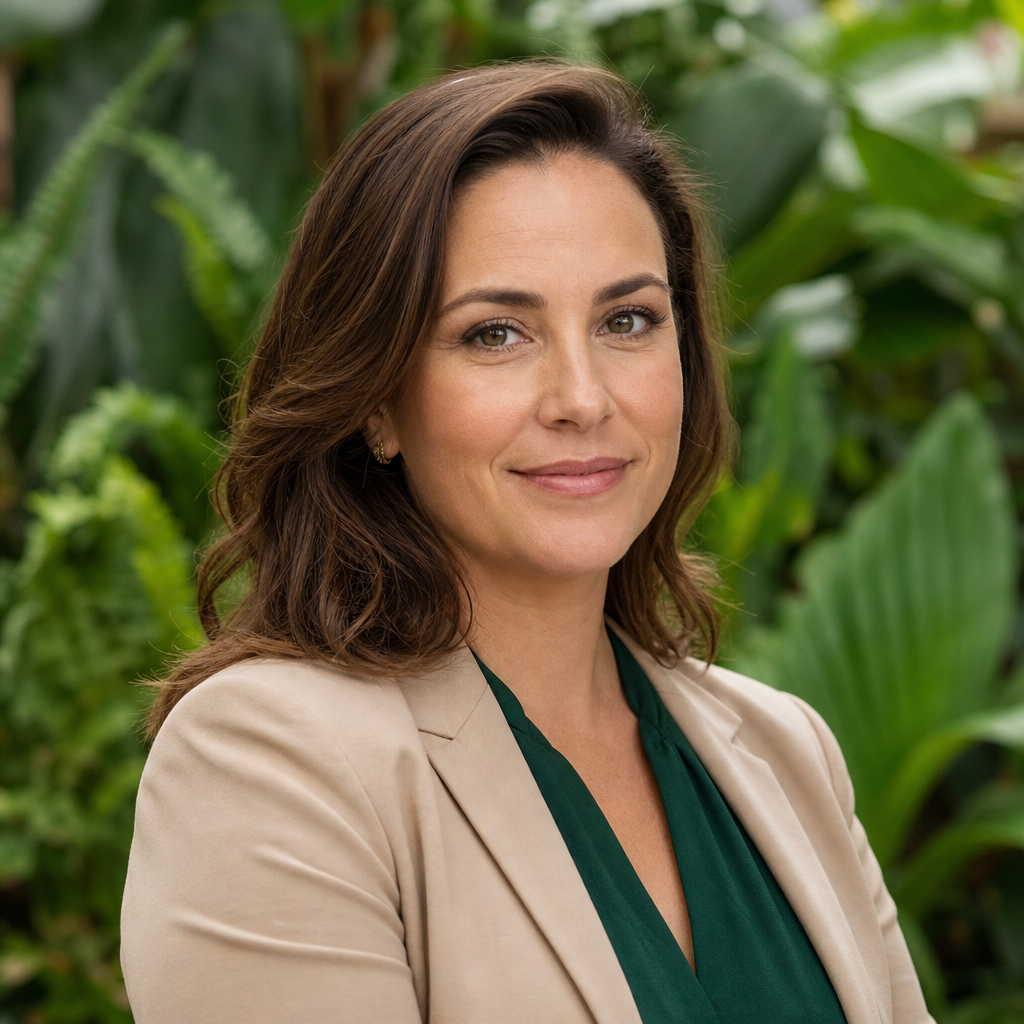
Bokeh is the visual quality of the out-of-focus areas in a photo, and it is one reason people search for the best lens for headshots. Smooth bokeh can make a headshot feel polished because it reduces background distractions and draws attention to the face. But bokeh should support the portrait, not become the whole point of the image.
For headshots, limited depth of field can be beautiful, but it can also create problems. If you shoot too wide open, one eye may be sharp while the other is soft, or the nose and ears may fall out of focus in an unflattering way. Corporate headshots often look better with a controlled aperture that keeps the entire face crisp while still softening the background.
Background distance matters as much as lens choice. A subject standing far from the backdrop will usually get smoother separation than someone pressed against a wall. Lighting also influences how bokeh feels; small bright highlights can become busy, while soft backgrounds look calmer. In other words, great portraits require great problem solving skills, not just a large aperture.
If you are creating AI professional photos or selecting outputs from an AI headshot generator, think about bokeh the same way. Choose images where the background blur looks realistic, the face remains detailed, and the style fits your personal brand. Overly artificial blur can make an otherwise strong online profile photo feel less trustworthy.
Prime vs Zoom: Which Should You Buy First?
A prime lens is usually the best first purchase if your budget is limited and you want maximum image quality for headshots. An 85mm prime is often lighter, bright, and relatively simple to use. It encourages you to think about distance, posing, and composition rather than relying on constant zooming.
A zoom is the better first purchase if you photograph groups, work in changing spaces, or need to deliver consistent business headshots quickly. It lets you adapt without changing lenses, which is helpful in offices and event-style setups. The right answer depends on your workflow: choose a prime for simplicity and subject isolation, or choose a zoom for flexibility and speed.
Headshot Lens Checklist Before a Session
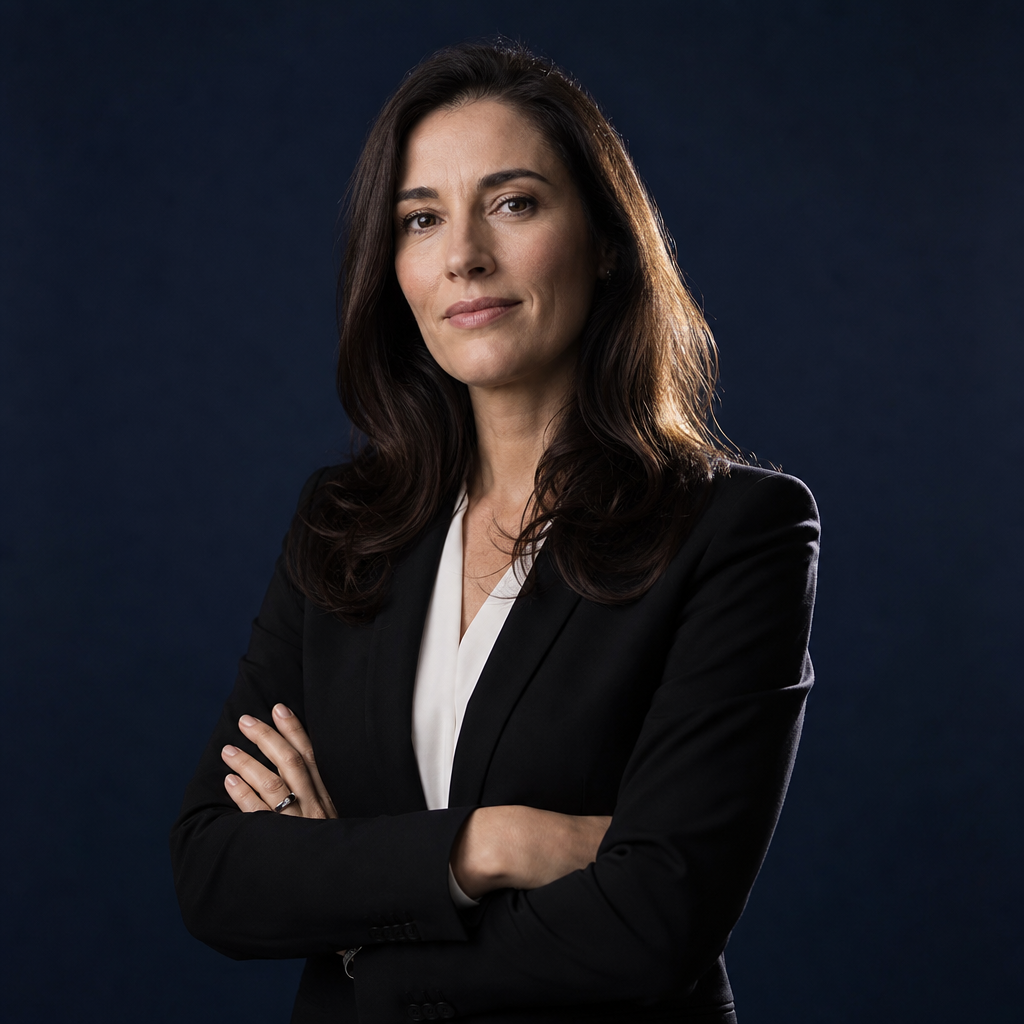
Before buying or using any lens, run through a practical checklist. Gear choices become easier when you connect them to the final use of the image: LinkedIn headshots, resumes, company websites, email profiles, or portfolio pages. A lens that works for a dramatic actor portrait may not be ideal for a conservative finance bio.
- Match the focal length to the space: use 50mm in tight rooms, 85mm when possible, and 135mm or longer when you have distance.
- Choose a sensible aperture: keep both eyes and facial features sharp.
- Control the background: avoid clutter, harsh lines, and bright distractions.
- Guide wardrobe: solid colors, clean collars, and brand-appropriate styling usually work best.
- Watch expression: a relaxed jaw, slight forward lean, and confident eyes matter more than gear.
- Plan platform usage: crop with enough room for LinkedIn, websites, and business profiles.
How AI Headshots Fit Into the Lens Conversation
Not everyone searching for the best lens for headshots actually wants to become a photographer. Many people are trying to understand why some headshots look professional while others look casual or distorted. AI headshots can help bridge that gap by giving users polished options without requiring a camera body, portrait lens, lighting kit, or studio booking.
QuickAI Headshots is useful for professionals who need images for LinkedIn, resumes, websites, business profiles, and personal branding but do not want the scheduling and cost considerations of a traditional photoshoot. It is not about pretending gear does not matter; it is about making professional presentation more accessible for people who need a strong profile image quickly.
When reviewing AI headshots, use the same standards you would use for camera-made portraits. Look for natural facial proportions, realistic lighting, clean backgrounds, appropriate clothing, and expressions that match your field. The best result should look like you on a good day, not like a plastic or overly edited version of you.
When to Choose a Photographer, AI, or Both

Choose a photographer when you need a highly directed session, custom lighting, team consistency, or a specific creative concept. A skilled photographer can coach expression, adjust pose, and solve problems in real time. For executives, actors, speakers, and teams, that human direction can be valuable.
Choose QuickAIHeadshots.com when you need convenient professional-looking headshots for online use and do not want to buy camera gear or book a studio. QuickAI Headshots can be especially helpful when refreshing a LinkedIn profile, preparing a resume, updating a company bio, or testing different personal branding styles.
Some people benefit from both. You might use AI headshots for quick profile updates and later book a photographer for a broader branding shoot. The important point is consistency: your headshot should match your industry, personality, and platform. A casual startup profile and a formal legal bio may require different visual signals.
Conclusion: Choosing the Best Lens for Headshots
The best lens for headshots is usually an 85mm prime or a 70-200mm zoom, with 50mm and 135mm options depending on space and style. Look beyond sharpness alone. Consider facial distortion, background blur, working distance, expression, and how the final image will appear across LinkedIn, resumes, websites, and business profiles.
If you are a photographer, buy the lens that supports your workflow rather than the one with the most impressive spec sheet. If you simply need a professional profile picture, QuickAI Headshots offers a fast, convenient way to create polished AI headshots without managing lenses, lights, or studio logistics.